Africa
Harissa and Vegetable Couscous
This recipe has been a long time coming. Hardly anyone who comes in to the shop — spice masters and novices alike — can pass over the North African section without some long, lingering sniffs. The spices from that region are so exotic, in their perfect union of sweet-spicy-aromatic. “How do you use the Harissa?” is one of the most common questions following the exclamations of delight, and though my fellow merchants and I have written versions of this recipe on many a business card, envelope, and scratch paper, it’s about time it took its place among our favorites here on the blog.
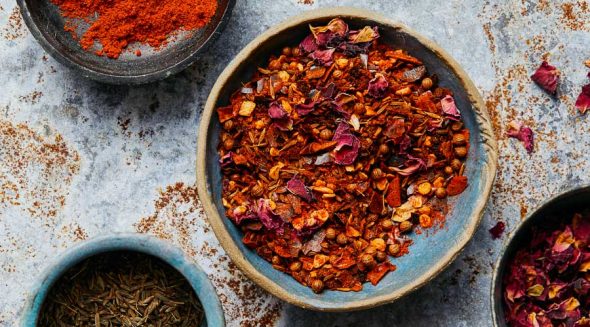
The tender-crisp vegetables and fluffy cous cous are a perfect vehicle for this sumptuous sauce; our version of the traditional Tunisian red pepper condiment that is so ubiquitous in Northern Africa. The cumin, coriander, and caraway add complexity and depth, with the guajillos lending just enough heat to be interesting without being overwhelming. You can also try the Harissa sauce on grilled meats or eggplant — or even on halibut!
Ingredients
Instructions
- To make the Harissa – In a small saute pan on medium heat, add 1 tablespoon olive oil. When hot, add the chopped red onion, and saute until it starts to get a little color. Meanwhile, in a blender, combine the tomato paste, roasted peppers, Harissa, garlic granules, 1/3 cup olive oil and red wine vinegar. Pulse until it’s still a little chunky. (You can also puree it until it’s smooth.)
- Transfer to a bowl and add salt to taste. Add the sauteed red onions and green onions and mix well. (You can prepare this ahead of time – let it get to room temperature before serving. If you have any leftovers, it will keep well in the refrigerator. This works well as a condiment to any meal.)
- To make the Couscous – In a large Dutch oven, heat the oil over low heat. Saute the onion and garlic until translucent. Add stock, dried apricots, squash, zucchini, cauliflower florets, chickpeas, turmeric, ginger powder and Aleppo pepper, stirring well. Turn up the heat and bring to a boil. Place the cover on the pot, reducing the heat to medium and simmer until the vegetables are tender, but still a bit crispy. This should take about 5 minutes.
- Then mix in the diced tomatoes, peas, cilantro and couscous. Remove the pot from the heat, cover and let stand 10 minutes. (This will cook the couscous.)
- Remove the lid and fluff the couscous with a fork. Transfer to a serving dish and drizzle some of the Harissa onto the couscous, serving the rest of the Harissa on the side.
Israeli Zahtar Flatbread
After a long day of working (or running errands and doing chores), I just want something quick and easy for dinner, but it still has to be delicious… And if it’s at least somewhat healthy-ish, all the better! I don’t know about you, but I can always eat pizza, in pretty much any form. I can always find ready-made pizza dough at the store, which means my homemade pizzas or flatbreads can be made without any fuss. There’s also something incredibly soothing about rolling out pizza dough, especially after a long day. The smell of the yeast dough always takes me back to childhood when I would help my mother make bread. Working with that kind of dough has an air of tranquility to it…it’s a blank canvas, just waiting for you to do something fun, interesting and flavorful with it. I’ll roll out the dough, brush it with olive oil, then top it with spices. Now it’s ready for me to add fresh colors and flavors. I’ll rifle around in my fridge or the cupboards of my small kitchen for odds and ends of goodies that I can either put on the dough before I bake it, or after it comes out of the oven. It all depends on my mood at the moment. I have always enjoyed “playing with my food,” and this certainly fits the bill. Israeli Zahtar is my favorite spice to use for this, but I also love Dukka. The smell of the flatbread baking is heavenly, and always seems to perk me up a little bit. It’s a perfect end to a hectic day.

Israeli Flatbread, topped with the salad on the left, and an “untopped” Dukka Flatbread on the right.
Ingredients
Instructions
- Heat oven to 425 degrees. Follow instructions on pizza dough package. (Sometimes you have to leave it out for 20 - 30 minutes to 'rest' at room temperature.)
- Divide into 3 portions and roll them out thinly - if you roll them into long ovals, and not rounds, they will fit on one cookie sheet. (They will cook more evenly this way.) Brush the cookie sheet with the olive oil and place the dough on it, without any of the sides touching.
- Brush the dough with olive oil and sprinkle on the Israeli Zahtar. Bake in the oven until the crust is golden brown cooked through. Since there is only oil and spice on the dough, keep an eye on it so that it doesn't burn.
- While the flatbread is baking, you can make the salad that will go on top of it. Combine the rest of the ingredients (except for the lemon juice and olive oil), mixing well.
- When the flatbread is done, remove from oven. It will be easier (and less messy) if you cut the flatbread into pieces now before you put the salad on top. Put the cut up flatbread on your serving plates. Add the lemon juice and 2 Tbl. olive oil to the salad and toss to coat. Evenly top the flatbread with the salad.
- Feel free to drizzle more olive oil on top before you serve it. Or anything else you choose!
Berbere Ketchup
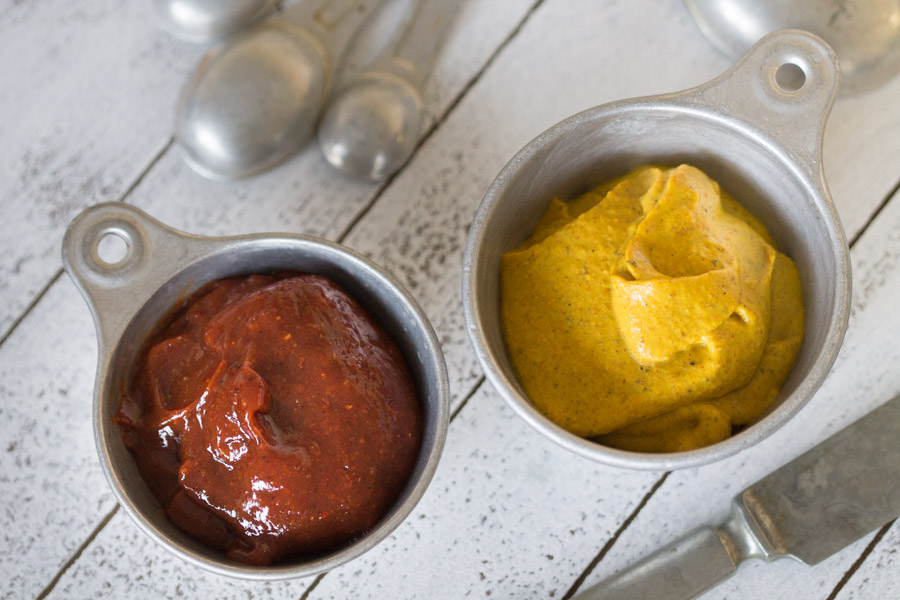
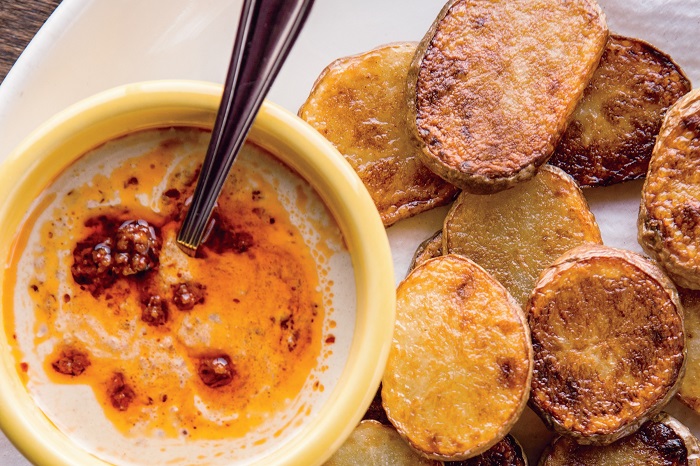
Most people here in the United States love their ketchup. There’s always a bottle in the refrigerator. It’s a must for french fries and a necessity for any barbecue. The problem with most commercially available ketchup is that they are too sweet. Want to know what’s in your ketchup? Use our simple recipe to make this version at home. We like our ketchup spicy, so we’ve added one of our favorite blends to it. Berbere is most commonly used in North African stews or roasted meats, but it has an affinity for ketchup. Whether you choose to keep it rustic or blend it smooth, both versions are sure to please. We like to keep some on hand all summer for dipping fries, topping burgers and hot dogs, or to use as a “secret ingredient” in BBQ sauces.
Ingredients
Instructions
- Put garlic and cut-up onion into a food processor and pulse until finely chopped. In a deep saucepan over medium heat, add oil. When oil is hot, add onion/garlic mixture and sauté until lightly browned. Then add the rest of the ingredients and cook until ketchup is thickened, stirring occasionally. Taste for seasoning.
- Take off heat. You can leave the texture “rustic” or you can puree it smoother in a blender. (Just be careful pureeing hot things – make sure the center plug has been removed from the top, and use a folded towel to cover the hole. Carefully hold towel down tightly while you puree the ketchup. Now you see why we like it rustic.)
- Transfer to a refrigerator-proof container. Allow to cool completely before covering. This will keep in the refrigerator for a couple of weeks - but you will find excuses to use it before then. Trust us.
Grains of Paradise Peanut Soup
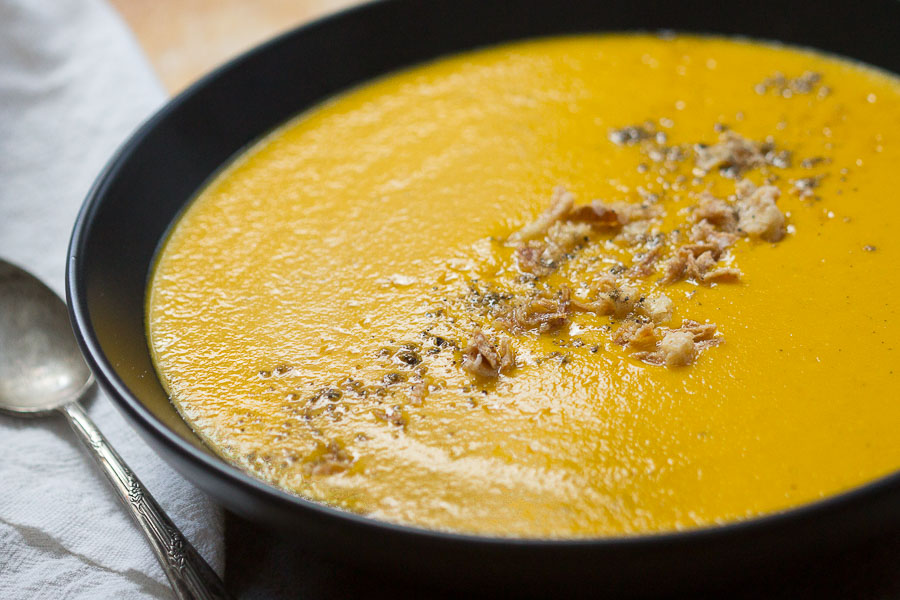
Peanuts, called groundnuts in West Africa, were adopted as a staple soon after their arrival from the New World. This sweet-and-savory soup gets its savoriness from Ajwain, and its peppery heat from Grains of Paradise. The soup is considered a comfort food — with many vegetarian, fish and meat variations — and usually features whole pieces when prepared with chicken.

Paradise Peanut Soup Rocks!
Ingredients
Instructions
- Melt butter (or olive oil) in medium-sized pot over medium-high heat. Add chicken and stir frequently until browned, 5-7 minutes. Add onion, stirring until translucent, about 3 minutes. Add Grains of Paradise and Ajwain, stirring briefly to coat onion.
- Add chicken stock, stirring up any chicken bits on bottom of pot, and bring to boil. Reduce heat to simmer, stir in peanut butter, peanuts, tomatoes, Tabil, cubed yam, cider vinegar and coconut milk.
- Simmer partially covered 25 minutes. Season to taste with salt.
- Ladle soup into bowls and garnish with cilantro. Pass Tabil at the table, so that guests may season to their individual tastes.