
Brining Basics
- Details
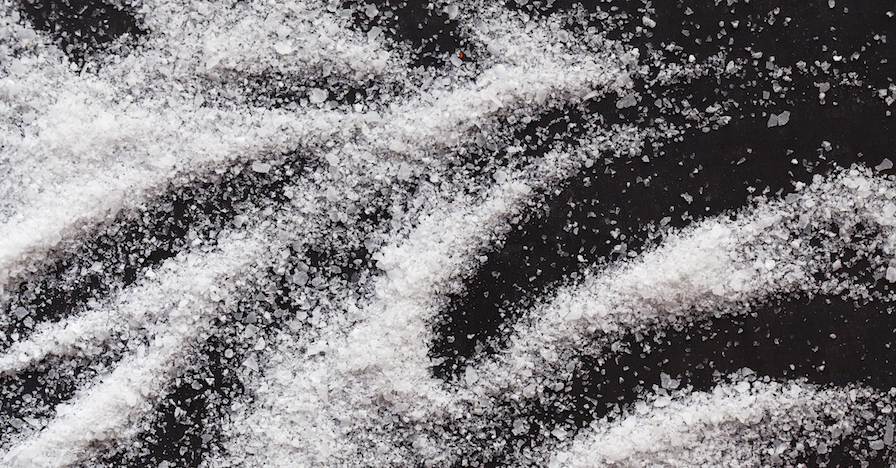 Every year, as we head into the holiday season, people begin to ask us about brining their turkeys. Is it worth the extra hassle? Does it really lead to a juicier bird? Well, we’re happy to report “yes!” to both. It’s probably easier than you think, and when done right, will ensure that your Thanksgiving turkey breast is moist and tender. The essential elements are water and salt – and a little advance planning. Simply mix up your brine and submerge the turkey for up to 24 hours before cooking.
How to Brine
We won’t bore you too much with the science. Basically, the salt in the brine pushes the muscle fibers apart allowing more of the salty water to be drawn into the meat. It gives more moisture in the bird to start, which prevents it from drying out during the long cooking time. Once you incorporate brining into your holiday routine, it simply adds to the bustle and flavor of the season, along with a dose of stress reduction because your turkey will not be dry. Here are the basics.
- Preparation! Your turkey should be completely thawed and you must have a brining container that is big enough to hold the turkey which needs to be completely submerged. Brining bags are all the rage- but a canning pot, bucket or cooler can do the trick just as well. Make sure you have a cool place to put the brining turkey for 12-24 hours prior to cooking. This requires a good bit of refrigerator space, but if you use a brining bag, it doesn’t require much more than it would for the bird itself.
- Precision! When making the brine, be sure to use the correct proportion of water and salt, regardless of what else you add to the mix- the salinity of the brine must be correct for it to flow into the meat. The standard proportion is 1 cup of kosher salt per gallon of water or stock. No need to use specialty salts here, the nuances will not contribute to the flavor. If you are using prepared vegetable stock, make sure it is salt free.
- Patience! The brine and turkey should both be cooled to the same temperature before they are combined. Again, this ensures that the brine will flow easily into the turkey. Be sure to leave the bird in the brine at least overnight, and 24 hours is better for larger turkeys.
Brining Recipe
As long as you follow the basic proportions above, you can change it up with all your favorite flavors. Substitute vegetable stock for water, add the spices you love and sweeten it up if you like, the sky’s the limit. Just be sure to follow the guidelines above and keep the turkey nice and cool. Remember, safety first!
This is my favorite brine for Thanksgiving turkey. It uses apple cider instead of sugar for a sweetness that emerges beautifully on a grilled turkey.

Thanksgiving Turkey Brine
Ingredients
- 2 cups kosher salt
- 1 gallon vegetable stock, salt free
- 6 each Turkish Bay leaves
- 1 tablespoon black peppercorns
- 1 tablespoon coriander seeds
- 2 teaspoons allspice berries
- 1 gallon apple cider
Instructions
- In a mortar & pestle, combine the pepper, coriander and allspice and coarsely crack. Add the cracked spices to a large stock pot with the bay leaves, salt and vegetable stock. Bring to a boil and allow to cool.
- Strain out the spices and add the apple cider. Make sure the brine cools all the way to room temperature before continuing.
- Place the turkey in a large pot, brining bag, or cooler.
- If you are using a pot or brining bag, refrigerate. If you are using a cooler, be sure to add cold packs, close the lid and leave it in a cool place.
- Allow turkey to brine for 8 to 24 hours, then remove from the brine. Your brined turkey is now ready to cook!
Now that you’ve got the basics covered, go ahead and have fun with the flavors! And turkey isn’t the only thing you can brine. It is a great technique for adding moisture and flavors to pork and chicken too. If you’re looking for more inspiration, check out one of our classic favorites Marinades, Rubs, Brines Cures and Glazes by Jim Tarantino.
2 Comments
Leave a Comment

Lemon Thyme Rhubarb Cake
Tart, sweet and dramatically red, rhubarb never tasted so good as in this rustic cake with lemon thyme. The cake is moist and fluffy on the inside with a slight crisp on the outside edge. …
Emerald City Scallops
The next time you can get your hands on some fresh scallops, give Emerald City Scallops one a try! Emerald City Seasoning makes an excellent companion for the delicate flavor of seared scallops. The gentle …

Get Your Sausage-Making on with Chorizo Bomb!
World Spice Merchant’s new Chorizo Bomb spice blend has been a favorite of our restaurant clients for years, so it was no surprise that it started flying off the shelves as soon as we started …

Steamed Cuban Beef Buns (with Chicken Stock)
At one time, Havana’s Chinatown was the largest Chinatown in Latin America. The large influx of Chinese workers also brought food traditions such as dumplings, chow mein, egg rolls and fried rice which still linger …

Bengali Five Spice Roasted Chicken
This dish was featured on the cover of Sunset Magazine’s October 2010 issue featuring one-dish dinners. It was a great issue — not just because they lauded World Spice Merchants as their “holy grail for …





I read that if an egg will float in the bring solution enough salt is mixed. True or false?
Looking it up on Google, I found this from Scientific American re eggs floating in salty water: https://www.scientificamerican.com/article/salty-science-floating-eggs-in-water/ Also found this on a bbq blog about floating a raw egg to tell if your brine has enough salt: https://www.thespruce.com/all-about-brining-331490. We’ve never tried either, but it seems like something that great-grandma would have done, so why not? If it worked for her…